Keep landing space beside heat and water.
A beautiful range or sink becomes frustrating when there is nowhere to set a pan, groceries or dishes. Protect usable counter on both sides of the busiest work points when the footprint allows it.
Start with what you actually cook, what must stay plugged in, and how many feet of wall you can give the kitchen. Then make the cabinetry fit the life.
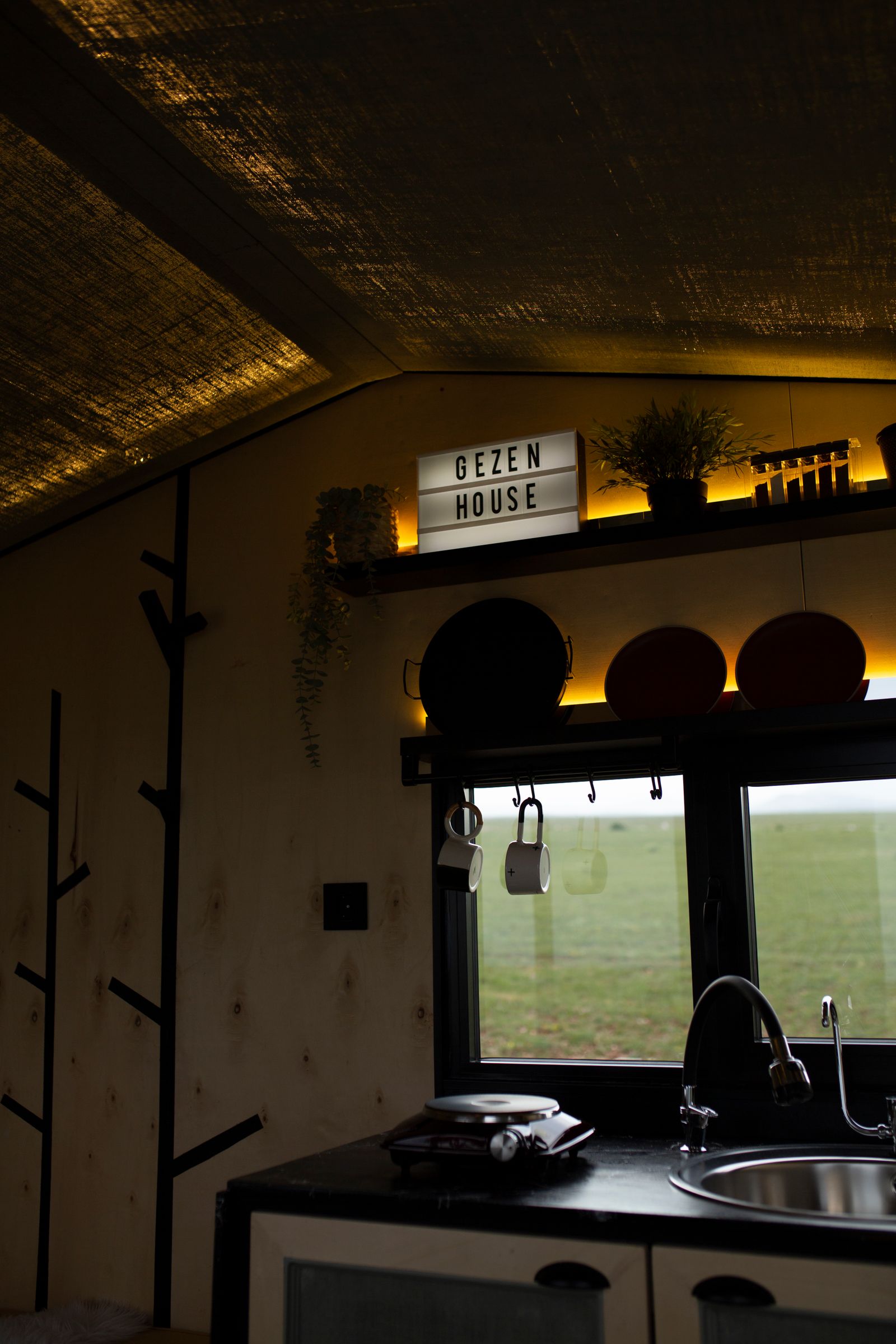
In a narrow house, every refrigerator door, drawer, stool and cabinet door competes for the same aisle. A successful layout protects a simple sequence: cold storage → prep → cooking → cleanup.
The goal is not to miniaturize every appliance. It is to decide which full-size conveniences earn permanent space and which can disappear.
This is a space-priority tool, not a cabinet quote. It tells you what to protect before you start drawing elevations.
A beautiful range or sink becomes frustrating when there is nowhere to set a pan, groceries or dishes. Protect usable counter on both sides of the busiest work points when the footprint allows it.
Daily cookware belongs between knee and eye level. Seasonal appliances, bulk goods and rarely used serving pieces can climb higher.
Model the refrigerator, dishwasher, oven and base-cabinet doors open at the same time. A narrow floor plan can look fine on paper until two doors make the kitchen impassable.
A peninsula, fold-down table or freestanding table can each work. Trying to fit all three usually creates furniture that spends most of its life blocking circulation.
Cooking adds heat, moisture and pollutants to a small volume of air. EPA recommends adequate ventilation and notes that kitchen exhaust helps control pollutants and moisture.
If you grocery-shop weekly for two people, an ultra-small fridge may simply move food storage into coolers and countertop clutter. If you eat out often, a full-size refrigerator may be wasted floor area.
Electrical, plumbing, combustion-air and appliance-clearance requirements depend on the equipment and adopted local codes. Follow manufacturer instructions and local permitting requirements.